Economic ripples: tracing inflation signals and currency swings through soccer handicap markets alongside thoroughbred festival payouts
Greta Otto · Oct 26, 2026
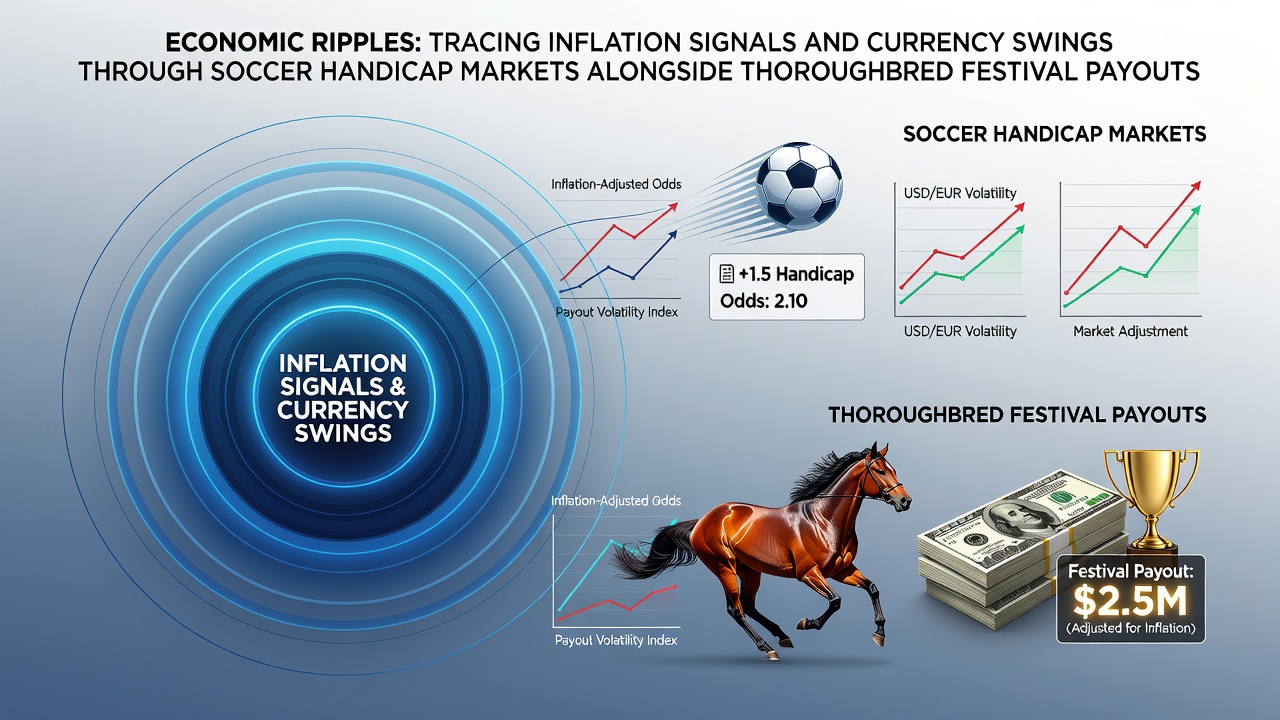
Economic ripples: tracing inflation signals and currency swings through soccer handicap markets alongside thoroughbred festival payouts
Market analysts track inflation indicators through shifts in soccer handicap lines, where rising consumer price indexes correlate with adjusted stake volumes across major European leagues during the 2026 season. Data from the European Central Bank shows that eurozone inflation rates climbed steadily through mid-2026, prompting bookmakers to recalibrate Asian handicap offerings in matches involving clubs from high-inflation jurisdictions. Observers note that these adjustments appear in the form of tighter margin thresholds on favorites, as operators respond to increased operational costs passed along through liquidity pools.
Inflation patterns in handicap pricing
Researchers at academic institutions have documented how persistent inflation influences bettor behavior in soccer markets. Studies from universities in Germany reveal that when annual inflation exceeds 3 percent, volume on underdog selections in handicap formats increases by measurable margins, because participants seek perceived value in lines that have not yet fully incorporated cost pressures. In October 2026, similar patterns emerged in Premier League and Serie A fixtures, where handicap lines moved in response to broader economic data releases rather than team news alone. Those who monitor these markets report that the ball's in the bookmaker's court when inflation figures deviate from forecasts, forcing rapid recalibrations to maintain balanced books.
Currency movements and cross-border flows
Currency fluctuations add another layer to these dynamics. The Federal Reserve's September 2026 policy update highlighted dollar strength against the pound and euro, which directly affected international bettors placing wagers on English and Italian soccer contests. When sterling weakened, handicap markets on matches involving Premier League sides saw increased activity from overseas accounts seeking to capitalize on favorable exchange rates. Industry reports indicate that these swings translate into altered payout structures, because operators hedge currency exposure by tweaking odds on high-volume lines. What's interesting is how even modest daily movements in exchange rates can shift the distribution of bets between home and away handicap selections within a single matchweek.
Thoroughbred festival payouts under economic pressure
Thoroughbred racing festivals provide parallel examples. Payouts at major events respond to the same macroeconomic forces, particularly when currency volatility coincides with festival periods. Data compiled by Australian regulatory bodies shows that during periods of elevated inflation, average returns on exotic bets at thoroughbred meets declined slightly as operators adjusted pools to account for higher administrative expenses. In October 2026, several autumn festivals across Europe reflected these pressures through tighter starting prices on favored runners, while longshot payouts remained comparatively stable. Experts have observed that currency swings between the euro and British pound altered the effective value of international stakes placed on festival races, prompting some syndicates to time entries based on forward exchange contracts.
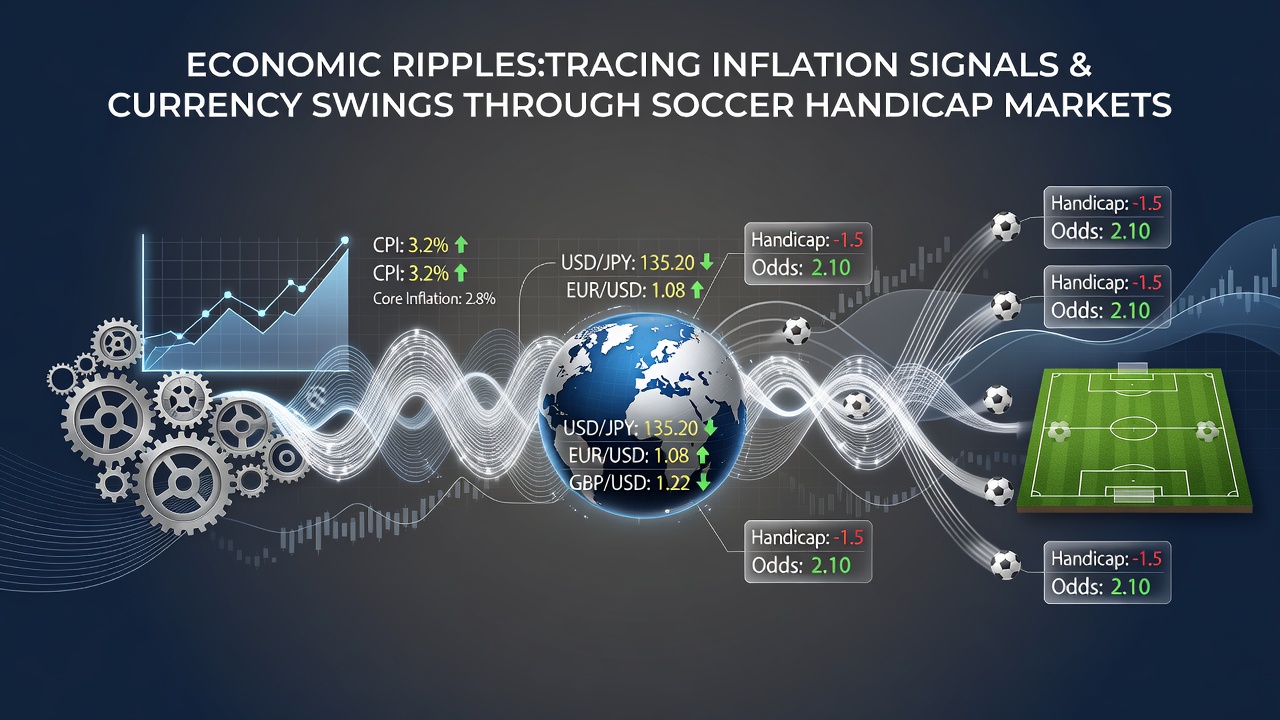
Connections between the two domains become clearest when examining liquidity migration. Bettors who typically focus on soccer handicap markets sometimes shift portions of their activity to thoroughbred festivals when inflation signals suggest reduced edge in one sector. Research papers from Canadian universities have tracked these flows, finding that a 1 percent rise in headline inflation corresponded with a measurable uptick in festival pool participation from soccer-oriented accounts. The reality is that operators maintain separate risk models for each sport, yet underlying economic variables create overlapping influences on both price formation and final distributions.
Intermarket effects and data correlations
Statistical agencies in multiple regions continue to release figures that market participants incorporate into their models. Figures from Statistics Canada and similar bodies demonstrate consistent correlations between monthly inflation prints and subsequent adjustments in both soccer handicap margins and racing dividend percentages. During the October 2026 window, these correlations strengthened as simultaneous currency movements amplified the effects across borders. Those who've studied the datasets note that the writing's on the wall when inflation and exchange rate volatility align, because both soccer and thoroughbred markets exhibit faster repricing than in calmer economic periods.
Additional layers appear when examining specific bet types. Handicap lines in soccer often incorporate buffers that widen or narrow according to anticipated inflation-driven changes in attendance and sponsorship revenue, while thoroughbred festival payouts reflect similar pressures through altered pool sizes. Observers tracking both sectors report that the same macroeconomic releases tend to move lines in parallel, even though the underlying events remain distinct. This pattern holds across different jurisdictions and regulatory environments, suggesting the relationship stems from shared economic fundamentals rather than sport-specific factors alone.
Conclusion
Overall, the interplay between inflation signals, currency swings, soccer handicap markets, and thoroughbred festival payouts forms a connected system where each element influences the others through measurable channels. Data from diverse sources including central banks and academic studies confirms these linkages persist across multiple seasons, with October 2026 providing further illustration of the patterns. Market participants who follow these indicators gain visibility into how broader economic conditions shape pricing and returns in both domains.